3 Essential SEO KPIs For SEO Monitoring
Stop analysis paralysis and focus on the metrics that truly drive business results
"When every metric is screaming for attention, no single metric is important."
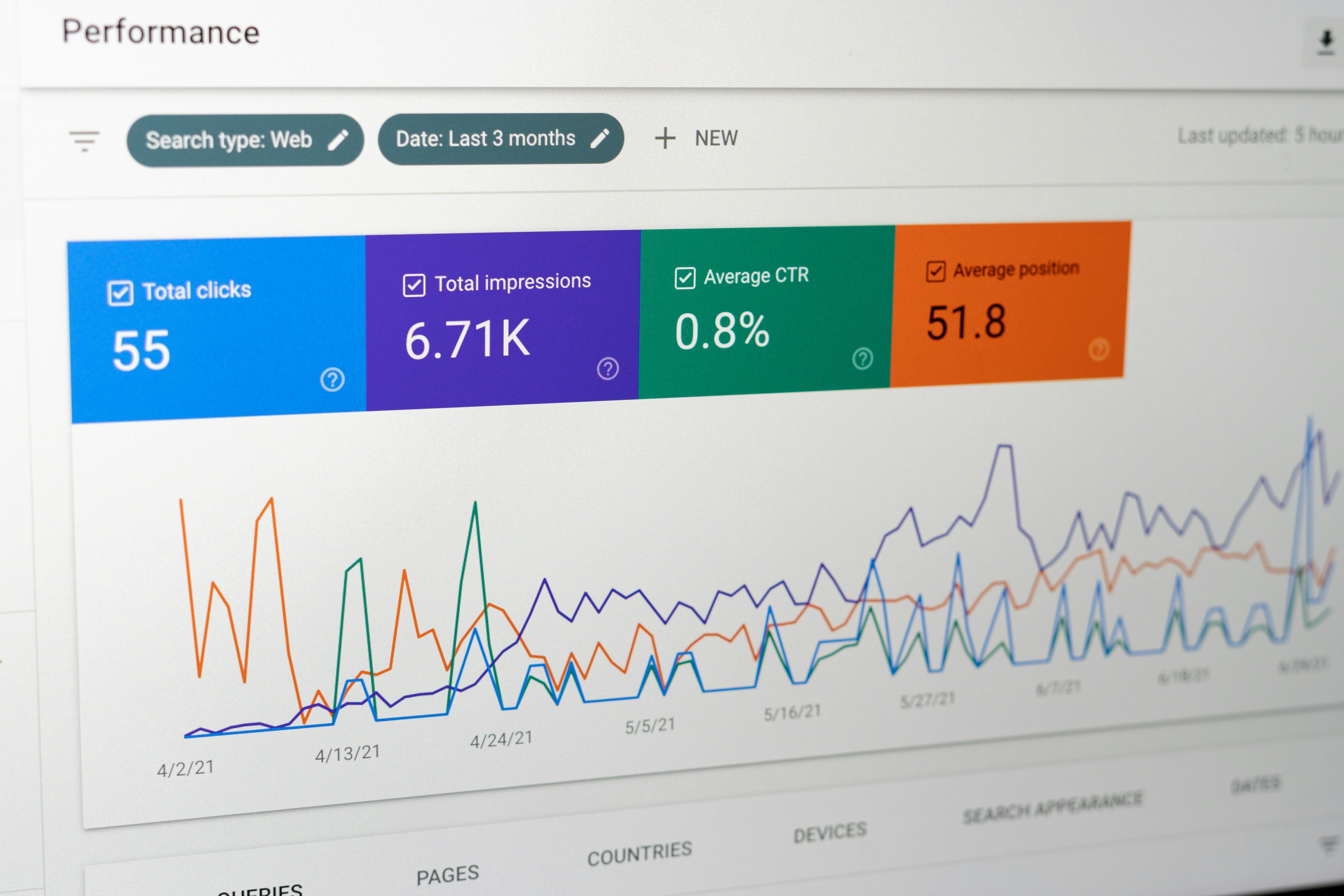
Are You Suffering from Data Fatigue?
In the world of Search Engine Optimization (SEO), we are constantly bombarded with data. We use sophisticated tools, receive daily email alerts, and stare at dashboards overflowing with metrics: rank fluctuations, traffic spikes, bounce rates, time on page, and thousands of search queries.
If you're nodding your head, feeling that familiar sigh of exhaustion, you're likely suffering from Data Fatigue.
The irony is that all this monitoring, which should clarify our strategy, often leads to analysis paralysis. We spend hours tracking minor rank changes that don't translate into revenue and miss the critical signals—the genuine "death flags"—that threaten our entire operation.
The core problem is this: most of the data you look at is noise. It's satisfying to watch your rankings inch up, but it doesn't always tell you what to do next.
The Dysfunction of the Overloaded Dashboard
Why Vanity Metrics Sabotage Your Strategy
The human brain loves confirmation. When we see our target keyword jump from 5th to 4th place, we feel a surge of positive reinforcement. These are known as Vanity Metrics—numbers that look good on paper but offer little insight into business value or necessary action.
Common Vanity Metrics in SEO:
- Average Position: One-point changes across thousands of keywords are often statistical noise
- Small Traffic Fluctuations: Minor daily dips and rises are normal variations
- High-Volume, Low-Value Keyword Ranks: Generic keywords that generate no revenue
Redefining Your Monitoring Goal
You must stop monitoring data for the sake of reporting. Instead, your goal should be singular:
To identify the next most impactful action required to protect or grow the business.
If a metric doesn't lead directly to a specific action—whether it's fixing a technical bug, optimizing a title tag, or adjusting a budget—then it should be removed from your immediate, daily view.
The 3 Action-Oriented KPIs You Must Monitor
The following three KPIs cut through the noise, providing clear direction for both defensive maneuvers and offensive campaigns.
KPI 1: The Site's Death Flag (Defensive Priority)
Metric: Index Coverage Catastrophic Drop
Your most crucial defensive role is preventing the site from disappearing from the search engine index—a fatal scenario. This is not about rank volatility; it's about site accessibility.
Why It's Critical:
Technical mishaps—such as a developer accidentally deploying a global `noindex` tag, or blocking core assets via `robots.txt` during a site migration—can instantly de-index your entire site. A sudden drop in indexed pages is your only warning before organic traffic hits zero.
How to Monitor:
- Tool: Google Search Console (GSC) → "Index > Pages" report
- Checkpoint: Monitor the "Valid Pages" metric trend line
- Action Threshold: If valid pages drop by 5%+ suddenly, halt all other activities
Recovery Protocol:
- • Check GSC "Excluded" and "Error" tabs immediately
- • Look for spikes in "noindex" or "blocked by robots.txt"
- • Use "Validation" feature to accelerate recrawling
KPI 2: The Won Battleground (Offensive Efficiency)
Metric: High Impression / Low Click-Through Rate (CTR) Keywords
This is your most efficient offensive metric. It identifies pages that Google already trusts and ranks highly, but which are failing to capture the user's click.
Why It's an Easy Win:
High impressions (ranking positions 4-20) mean the content is relevant and quality. Low CTR signals a SERP problem—uncompelling title and meta description. This is the highest ROI SEO taskbecause it requires minutes, not hours.
How to Monitor:
- Tool: Google Search Console → "Search Results" report
- Filter Strategy:
- Impressions: Top quartile (most frequently seen)
- Position: Between 4 and 10 (first page visibility)
- CTR: Significantly below position benchmark
- Action: Perform SERP analysis and optimize title/description with compelling hooks
💡 Pro Tip: Position 4 should have ~4-5% CTR. If yours has 1.5%, that's a clear optimization opportunity.
KPI 3: The Business Alignment Score (Revenue Reality Check)
Metric: Organic Search Conversion Rate (CVR) and Contact CPA
This KPI moves beyond traffic and ranks, linking your SEO efforts directly to the bottom line. It answers: Is this work actually generating money efficiently?
Why Traffic Isn't Enough:
High-volume, generic keywords might boost traffic but achieve poor conversion rates. Highly specific, low-volume keywords might generate less traffic but achieve near-100% CVR. Quality over quantity.
How to Monitor:
- Tool: Google Analytics 4 (GA4) or CRM platform
- Segmentation: Filter for "Organic Search" channel only
- Checkpoints:
- CVR Trend: Compare month-over-month conversion rates
- Contact CPA: Total SEO investment ÷ total conversions
- Action: Low CVR → pivot to high-intent keywords + improve landing page CTAs
⚠ Warning Sign: Rising traffic + declining CVR = attracting wrong users. Focus on transactional long-tail keywords.
Building Your Minimal Monitoring Routine
To successfully implement dashboard minimalism, you must be disciplined and systematic.
Step 1: Tool and Notification Detox
Perform a digital "KonMari" effort. If a tool's daily notification doesn't provide data relevant to the 3 KPIs above, turn it off. Move all "nice-to-have" historical data to separate, less frequently accessed reports.
Step 2: Strict Alert Thresholds
Move away from generalized alerts. Set alerts only for high-impact situations:
- • KPI 1 Alert: GSC Critical Error (indexing status change)
- • KPI 2 Alert: Money Page drops out of top 5
- • KPI 3 Alert: Organic CVR drops 10% week-over-week
Step 3: The 5-Minute Daily Check
Daily Check (5 Minutes):
- Defensive Check (GSC): Valid Index Count and Critical Errors changed? (KPI 1)
- Quick Action Check (GSC): High Impression/Low CTR pages ready for optimization? (KPI 2)
Weekly Check (30 Minutes):
- Business Check (GA4/CRM): How do Organic CVR and CPA compare? (KPI 3)
- Plan: Prioritize top two actions for the coming week
Conclusion: Becoming an Action-Oriented SEO Professional
Monitoring should be a fast, surgical process—not a deep, drawn-out study. By shifting your focus from the overwhelming sea of vanity metrics to just three powerful, action-oriented KPIs, you immediately regain control.
You are no longer an observer of data trends; you become a strategic decision-maker.
Focus your limited time and energy on high-impact technical defenses, high-efficiency copywriting attacks, and aligning every effort with measurable business revenue.
Actions You Can Start Today
- 🔍 Set up the 3 KPI filters in Google Search Console and GA4
- ⏰ Establish your 5-minute daily monitoring routine
- 🧹 Perform a notification detox on your current tools
- 📊 GA4 Report Stream automatically delivers these essential metrics to your Discord server, keeping your team aligned without manual dashboard checking. See our Google Analytics Discord integration for SEO monitoring guide for setup and metric selection.
Stop analyzing. Start acting.
Implement this minimalist approach today and watch your productivity, and ultimately your SEO results, transform.
Ready to Streamline Your SEO Monitoring?
Get automated daily reports with the 3 essential KPIs delivered directly to your Discord server. No more dashboard hunting—just actionable insights when you need them.
Join Our Discord Server